Inside The Guest Appeal Of Santa Barbara Boutique Hotels
February 19, 2026
February 19, 2026
What keeps guests choosing Santa Barbara’s boutique hotels over bigger boxes and short-term rentals? It is more than ocean views. It is the way walkable districts, thoughtful design, food and wine access, and a rich events calendar come together to create experiences people gladly pay for. If you own or are evaluating a hotel on the South Coast, understanding these demand drivers helps you shape product, pricing, and programming. In this guide, you will see what guests value most, why it matters for your numbers, and the most practical ways to capture it. Let’s dive in.
Santa Barbara’s South Coast continues to post healthy peak-season performance. July 2024 results showed about 82% occupancy, ADR around $399, and RevPAR near $326. Those figures signal a robust rate ceiling for well-positioned boutique product.
Tax and access trends support the story. The City’s fiscal-year 2024 transient occupancy tax totaled about $32.2 million, with hotels contributing roughly $29.4 million and short-term rentals about $2.8 million. Air service has improved with added routes and rising passenger volumes, which strengthens overnight demand.
Supply remains constrained. Recent market commentary notes a limited new-room pipeline in Santa Barbara, which helps rate resilience when demand holds. See Colliers’ Q2 2025 hospitality summary for Santa Barbara.
Guests do not just want a room. They want to step outside and be in the middle of it all. In Santa Barbara, that means the State Street Promenade, the Funk Zone’s tasting rooms and galleries, and the Wharf and harbor. Downtown locations achieve Walk Scores in the high 90s, which translates into real spending and strong reviews.
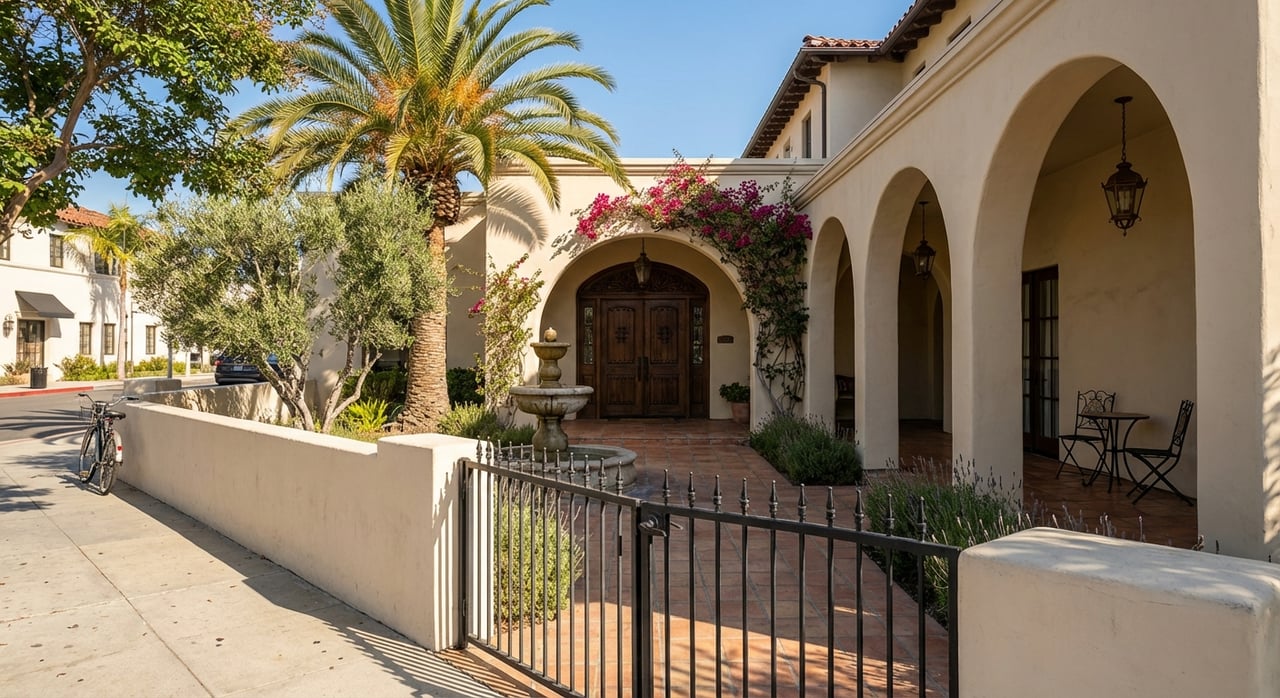
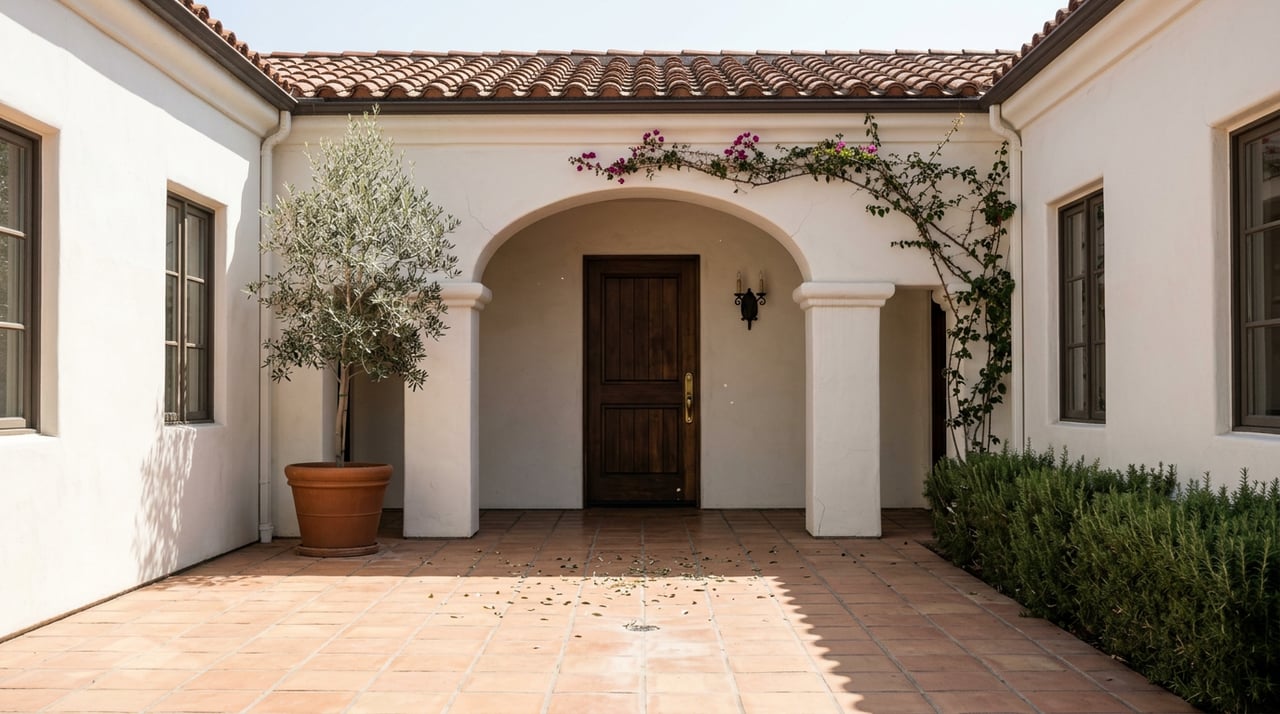
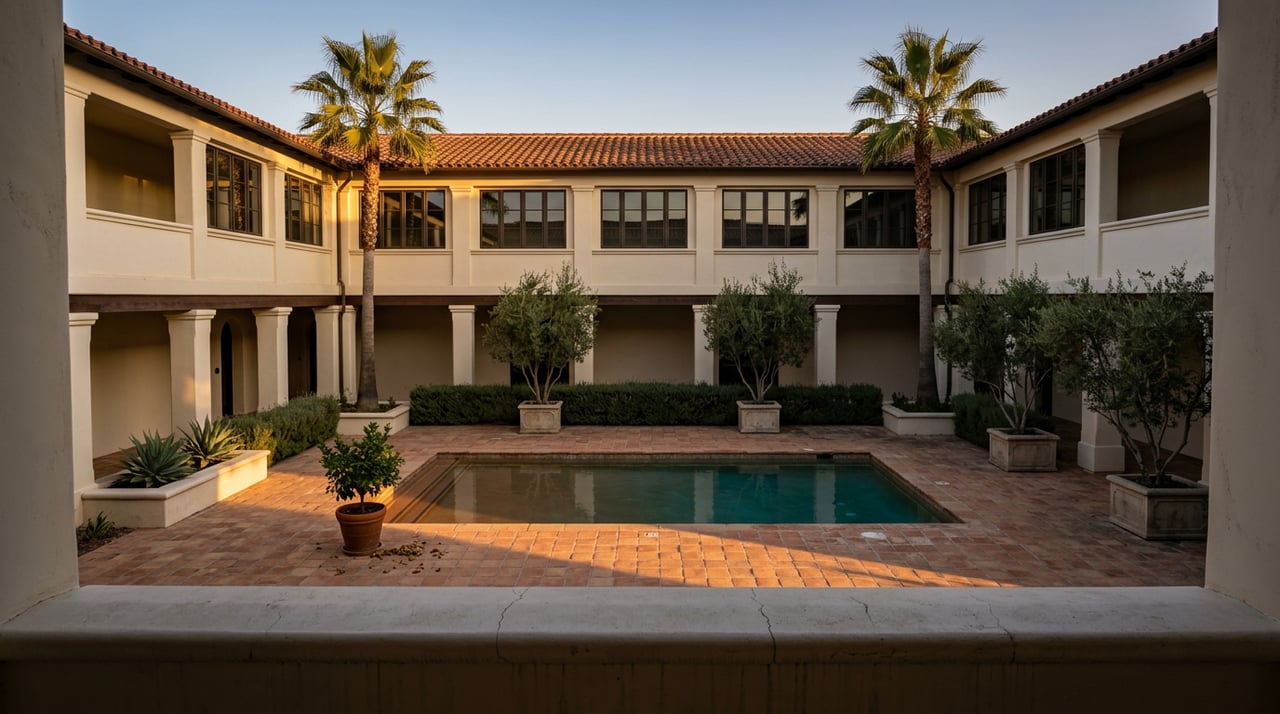
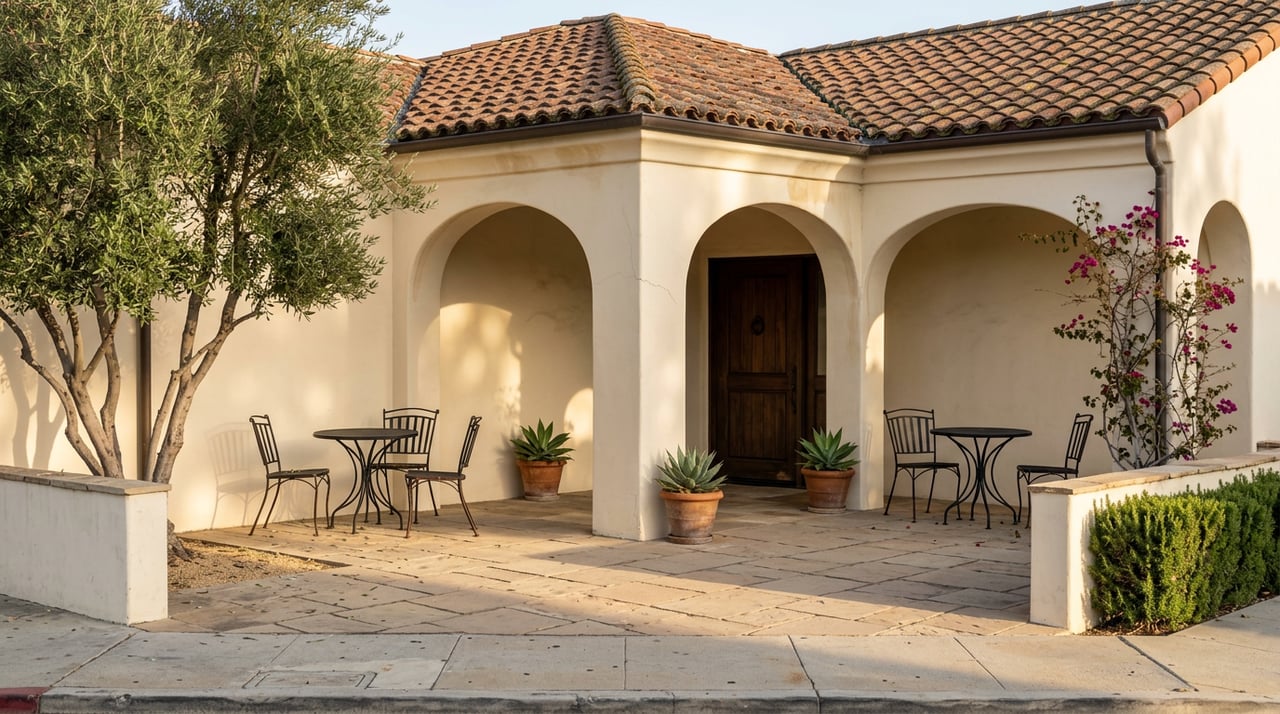
Santa Barbara’s identity is unmistakable: white stucco, red tile, arches, and patios. When your public spaces and rooms echo that language, you create a feeling guests recognize as “Santa Barbara,” not just another coastal hotel. High-profile properties have emphasized curated design and rooftop experiences to stand apart, such as the waterfront arrival and design storytelling at Hotel Californian. See coverage of Hotel Californian’s opening and positioning.
Wine is not an add-on in Santa Barbara. It is a core reason people visit. Santa Barbara County is home to 300-plus licensed wineries and a wine sector with multi-billion-dollar economic impact. Downtown, the Urban Wine Trail and Funk Zone make tasting rooms walkable from many boutique hotels.
Beaches, the harbor, and seasonal events shape your calendar and pricing. Old Spanish Days Fiesta and film festival weeks can draw regionally and nationally, producing sharp ADR and occupancy spikes. Keep a forward view of Santa Barbara’s event pulse. For planning, monitor Old Spanish Days Fiesta updates.
Industry analysis shows boutique, lifestyle, and soft-brand hotels have recovered faster and secured higher ADR and RevPAR than comparable classes in recent years. See the Highland Group summaries covered by Hotel Management. In experience-rich markets like Santa Barbara, this premium can justify upgrade or conversion costs.
When you pair walkability with high-quality F&B and local experiences, you lift both Transient ADR and non-room revenue. The South Coast’s July 2024 ADR in the high-$300s illustrates the rate ceiling that strong positioning can reach.
Limited new-room pipelines increase the odds that well-executed repositioning will hold its RevPAR gains. See Colliers’ Q2 2025 Santa Barbara hospitality read for context on constrained supply.
Soft-brand affiliations can add loyalty demand and distribution scale, while independent positioning preserves uniqueness and reduces fees. Recent boutique performance data, summarized by Hotel Management, shows branded boutiques captured material rate advantages in many markets. Model both paths with conservative lift assumptions.
Short-term rentals are part of the lodging mix and contribute to local TOT, but hotels remain the dominant source in Santa Barbara. The City reported FY2024 TOT around $32.2 million, with hotels at approximately $29.4 million and STRs near $2.8 million. Academic reviews suggest STRs tend to pressure lower-tier hotels most, while upper-upscale boutique assets that sell experiences and F&B are less exposed. Keep STR regulations and supply on your radar.
California wage schedules and operating costs have trended higher. Plan for elevated payroll and benefits, especially for F&B teams. Build sensitivity cases for GOPPAR under varying wage and benefits scenarios.
Owners frequently underwrite quantifiable ADR and RevPAR uplift from well-executed renovations or brand conversions. Public filings and case studies show how teams model CapEx, uplift ranges, and IRR targets. For a sense of approach, review hospitality renovation and conversion assumptions in owner filings.
Santa Barbara’s boutique hotels win because they deliver walkable access, a strong sense of place, and seamless ties to food, wine, and the coast. The data points to resilient demand, healthy rate potential, and supply constraints that favor well-executed assets. If you align design, F&B, and neighborhood programming with a clear revenue plan, you can convert guest appeal into durable ADR, RevPAR, and enterprise value.
If you are exploring a repositioning, soft-brand conversion, or a discreet exit on the South Coast, let’s talk. Schedule a confidential consultation with Robert Rauchhaus to discuss valuation, strategy, and the best path forward.
Stay up to date on the latest real estate trends.
Learn more about commercial sales, leasing, business sales, M&A, and asset management.
Get In Touch With Our Team To Learn More
PO BOX 30766 SANTA BARBARA CA 93130