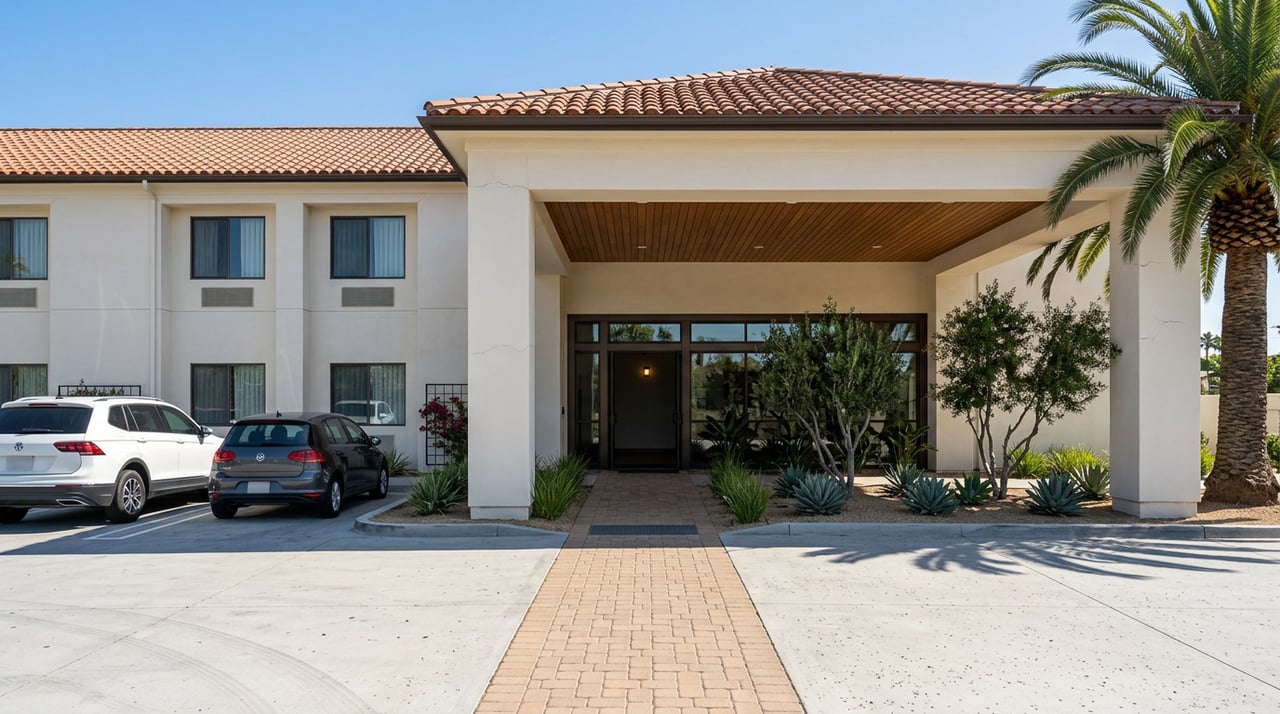
How Coastal Tourism Drives Hotel Demand In Ventura
March 24, 2026
March 24, 2026
Thinking about buying, selling, or repositioning a hotel in Ventura? Start with the coastline. Surf breaks, family-friendly beaches, and the Channel Islands anchor travel patterns here, and those patterns show up directly in your occupancy, ADR, and staffing curve. In this post, you’ll see how coastal tourism shapes weekend-heavy demand, where boutique positioning can win, and what to stress test in your underwriting. Let’s dive in.
Visit Ventura’s latest city brief highlights about $118 million in city-level visitor spending based on VisaVue transactions for January through June 2025. You can use this one-pager to frame the scale of local tourism and the event impact story that follows. Review the current snapshot on Visit Ventura’s “Tourism Matters” brief.
Regionally, the Ventura County Coast positioning ties Ventura to a compact, drive-to catchment. The county DMO highlights Ventura’s proximity to Southern California population centers, including a short hop from Los Angeles. That makes same-week and last-minute weekend trips common. For meeting-market context and drive accessibility, see the Ventura County Coast meetings overview.
A tight drive market produces recognizable patterns. You see shorter lengths of stay, often 1 to 3 nights. Friday through Sunday carries outsized occupancy and ADR. Midweek is thinner, with selective pickups around small meetings, sports, or outdoor programming.
What this means for you:
Ventura’s coastal identity does heavy lifting. The DMO promotes accessible surf breaks like C Street, walkable beaches, and a family-friendly shoreline. Visitors who come for morning surf, beach time, and dining on the Promenade often choose to stay the night when access is simple. Explore how the city frames these assets on Visit Ventura’s Beaches & Surfing page.
The Channel Islands gateway multiplies this effect. Island trips can be weather sensitive and often start early, which pushes day-trippers to arrive the night before and depart the day after. When you are near the Harbor or pier, you capture a higher share of these stays. For park context and concession schedules, check Channel Islands National Park.
Action ideas:
Event-driven demand is real in Ventura. Visit Ventura’s brief cites X Games Ventura 2024 as a headline example, with about $6.4 million in direct travel spending and more than 52,000 attendees. Events like these can create sharp, multi-night spikes with higher ADR. See the event impact context on Tourism Matters.
How to capture the upside:
Ventura’s coastal tourism favors limited-service and select-service hotels. Drive-to leisure guests want predictable pricing, easy parking, clean rooms, and quick food options. Lower group dependence reduces the need for large ballrooms or banquet kitchens, which keeps capex and operations in check.
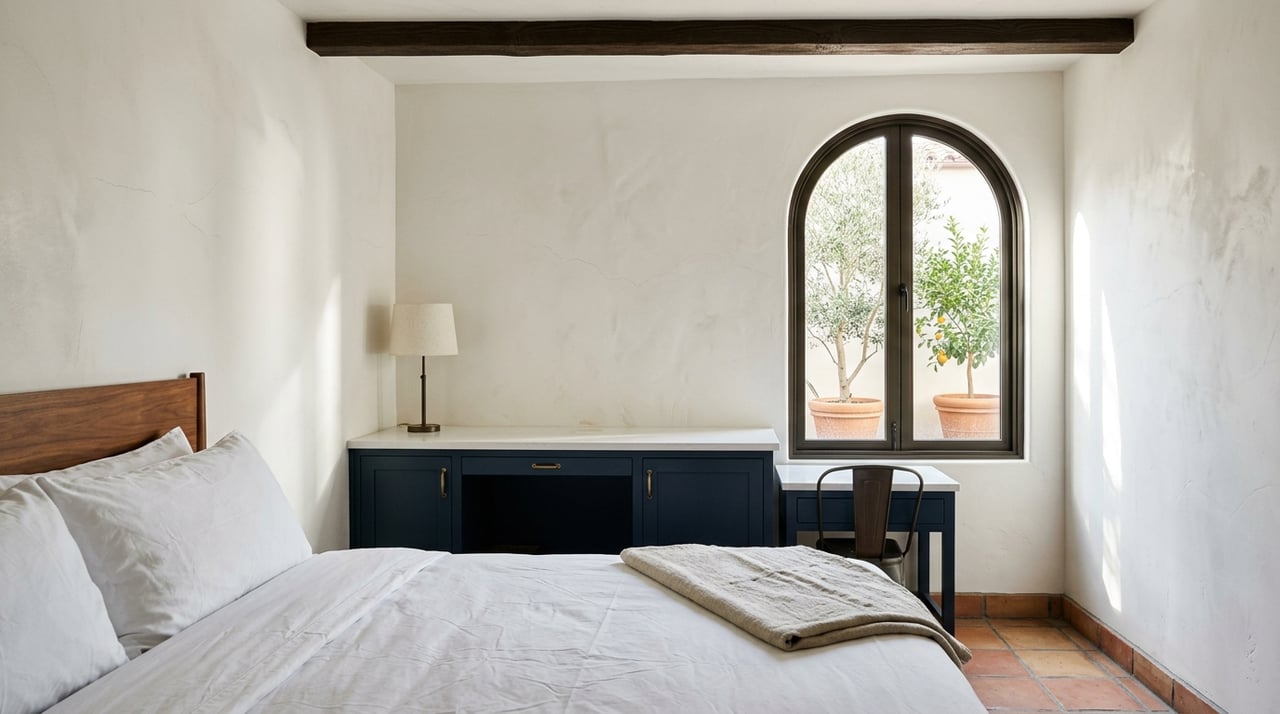
At the same time, small boutique and lifestyle hotels can outperform in the right locations. Authentic design that nods to surf culture, the pier, or the Islands can support an ADR premium on weekends, especially when you add rooftop views or a thoughtful on-site bar or café.
Quick comparison:
To model Ventura’s coastal tourism patterns with confidence, request and validate these items:
Build month-by-month projections with weekend vs weekday segmentation. In a drive-to leisure market, Friday through Sunday typically carries higher occupancy and ADR. Weekday strategies matter more for base stability than for peak capture.
Stress test three scenarios:
For valuation, remember that limited-service assets often price on stable occupancy and GOPPAR, while boutiques lean on ADR growth and consistent leisure capture. Document your comps and assumptions carefully before you lean into cap-rate premiums or repositioning spend.
Ventura sits between two useful reference points. Oxnard shares the drive-to catchment and a strong harbor identity, often with more value-oriented positioning. See the coastal value context on Visit Oxnard.
Santa Barbara trades with an upscale resort profile and stronger group and luxury ceilings. Use it to set a theoretical ADR ceiling for Ventura boutiques, while recognizing the higher barriers to entry and capital requirements. Explore the destination framing at Santa Barbara.
Practical takeaway: Ventura offers a middle ground. You can buy into a walkable coastal location, lean on predictable weekend leisure demand, and create ADR upside in well-positioned boutique assets without Santa Barbara-scale capital.
Coastal permitting and physical resilience matter. Projects near the shoreline may need Coastal Development Permits, sea-level planning, and public access coordination. Review guidance from the California Coastal Commission.
Weather and seasonality can shift results. Weak surf seasons or marine closures can mute Island trips and beach activity. Short-term rental supply and policy enforcement can also affect weekday demand and ADR. Build sensitivity into your underwriting and keep close tabs on city policy and TOT reporting practices.
If you are weighing acquisition, recapitalization, or a boutique repositioning, you deserve a plan that links coastal demand patterns to real numbers. Our advisory-led approach integrates brokerage, hospitality M&A, and hands-on asset management to help you select the right product, stress test the P&L, and execute a value-creation plan.
Ready to model Ventura with precision and discretion? Connect with Robert Rauchhaus to schedule a confidential consultation about strategy and valuation.
Stay up to date on the latest real estate trends.

Learn more about commercial sales, leasing, business sales, M&A, and asset management.
Get In Touch With Our Team To Learn More
PO BOX 30766 SANTA BARBARA CA 93130