Is your Ojai commercial building working hard enough for you? Many small owners feel stuck between rising costs and modest rents, especially in a market that values character and small-scale charm. You can unlock more value by testing your property’s highest and best use, then aligning it with what works in Ojai. In this guide, you’ll learn the four standard tests and see practical local examples that owners use to reposition assets, improve NOI, and plan exits. Let’s dive in.
Highest and best use in plain English
Highest and best use is a simple, disciplined way to decide what a property should be used for to maximize value within real-world limits. Appraisers and planners apply four tests in order. The same approach works for owners who want clarity before committing capital.
- Legally permissible. Does zoning and local policy allow it, and can you get the approvals you need?
- Physically possible. Can the site, building, utilities, and access support the plan?
- Financially feasible. Do expected returns exceed costs with a realistic budget and timeline?
- Maximally productive. Among the feasible options, which use produces the highest value?
When you run each option through these tests, you can compare scenarios side by side. The result might be to hold steady, to adapt the space for a new commercial use, to add housing in a mixed-use format, or to sell the asset to a buyer who can execute a more capital-intensive plan.
Ojai market realities that shape decisions
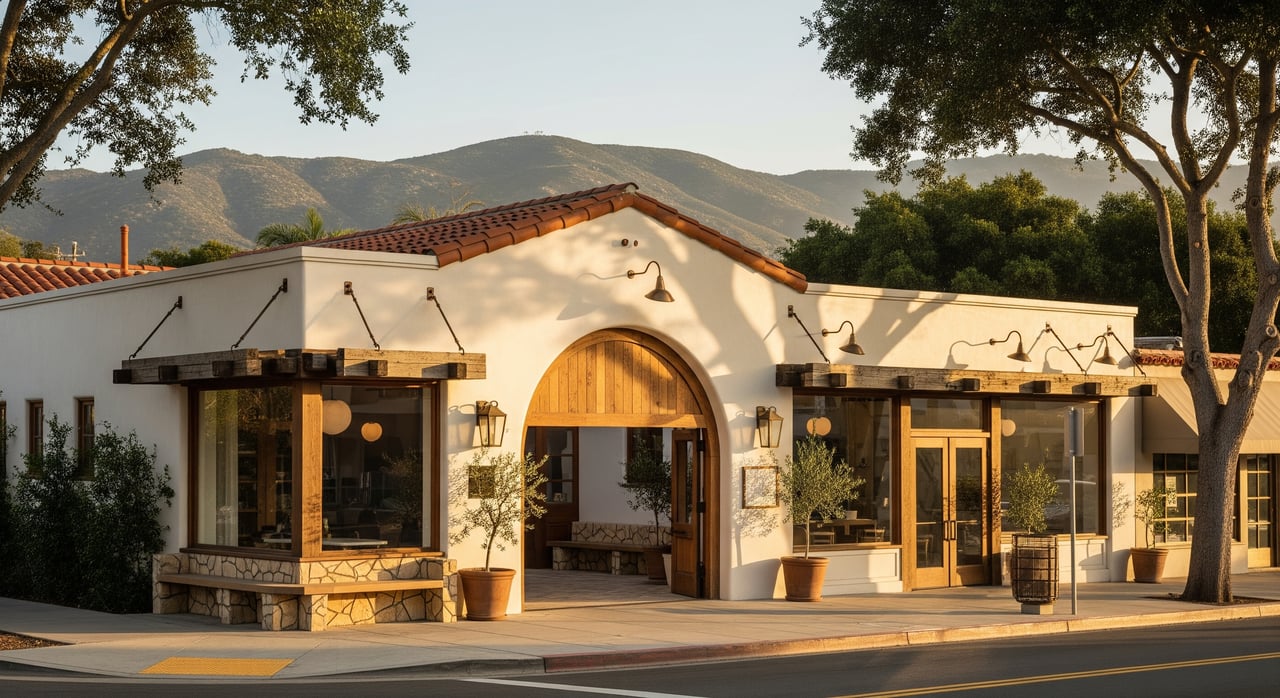
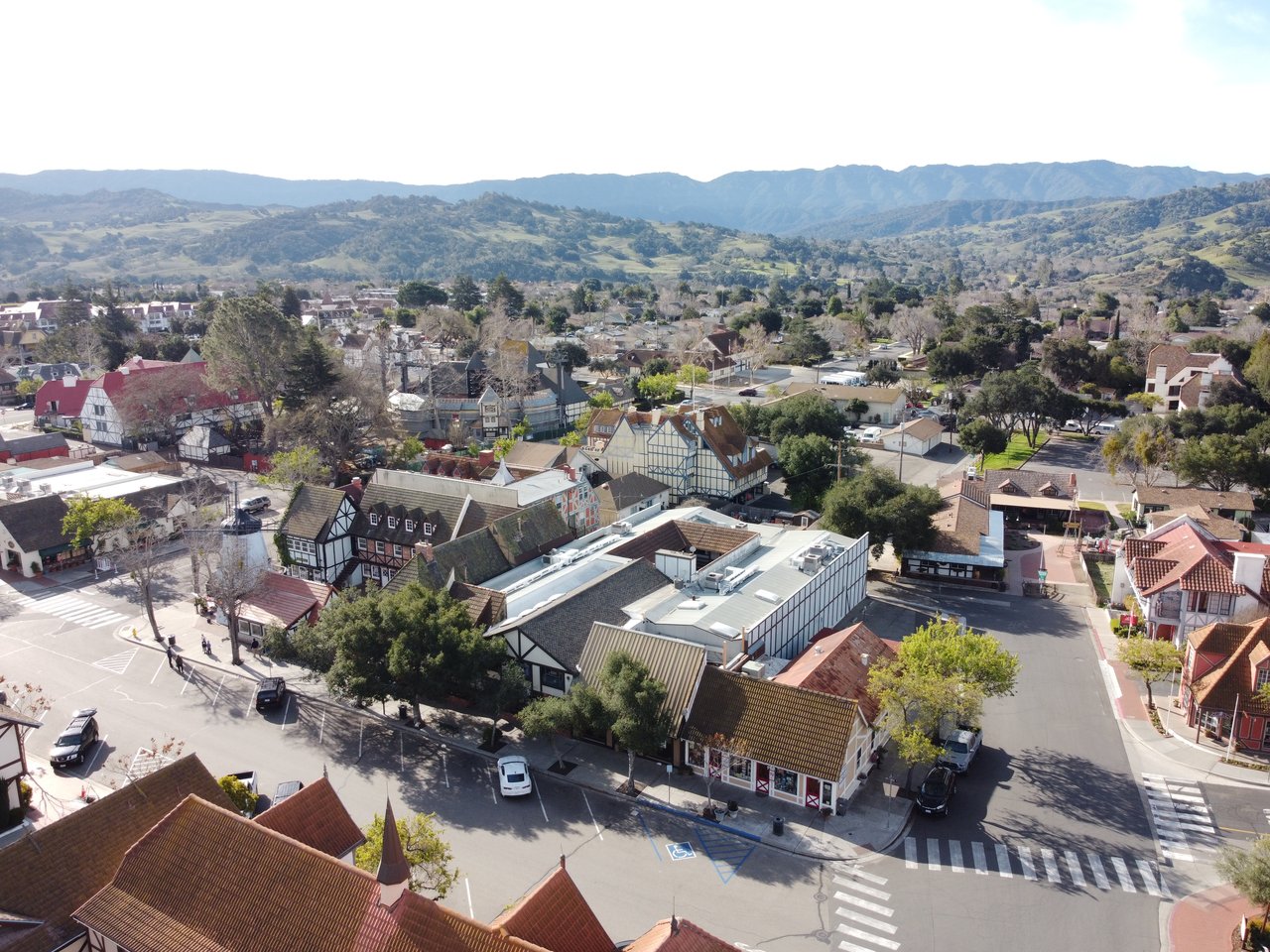
Ojai is known for boutique tourism, arts, and wellness, with a walkable downtown and independent shops. Visitors come for character-rich experiences, and the city’s scale supports smaller, well-executed concepts rather than large, high-intensity projects. This favors adaptive reuse, tasteful renovation, and mixed-use that fits the streetscape.
Local hospitality anchors help drive steady demand for boutique lodging, wellness retreats, and food and beverage. That demand supports thoughtful repositioning if the design and guest experience match Ojai’s character. Owners who invest in quality often see stronger rates and occupancy compared to generic product.
Regulatory context matters. You will want to confirm zoning district, permitted uses, height and coverage standards, and any downtown design guidelines or historic overlays with the City of Ojai Planning Division. Parking ratios, transient occupancy tax registration for lodging, and short-term rental rules can influence feasibility and room counts. Many projects require design review or conditional use permits, which adds time.
Physical and environmental constraints can also shape scope and cost. Ojai’s setting includes wildfire risk in the wildland-urban interface, creek corridors and slopes that reduce buildable areas, and protected trees. Change of occupancy can trigger California Building Code upgrades for structure, accessibility, and life safety. Historic resource status may require preservation measures. Some discretionary approvals may require review under the California Environmental Quality Act, which extends timelines.
Four Ojai commercial examples that pencil
Below are common small-commercial scenarios in Ojai. Each can produce value when aligned with local demand, code, and design expectations.
Adaptive reuse: retail or office to boutique hospitality
- Typical candidate. A compact downtown building, a row of storefronts, or a small motel site that can be rebranded with elevated design.
- Why it works. Ojai’s visitor base supports unique places to stay. Walkable locations near food, wellness, and shops can capture premium rates.
- Key physical items. Additional bathrooms and plumbing stacks, ADA compliance for public areas and guest rooms, fire separation and sprinklers, and soundproofing. Parking can limit room count.
- Regulatory touchpoints. Lodging often needs discretionary review. Registering for transient occupancy tax applies. If in a residential zone or historic context, extra conditions may apply.
- Market checks. Study achievable average daily rate and occupancy for comparable inns, seasonal patterns, and the competitive set. Prepare a pro forma that weighs NOI gains against conversion costs and added operating complexity.
- Risks to plan for. Parking minimums, neighbor concerns about traffic or noise, potential CEQA review, and longer lead times for life-safety upgrades.
Mixed-use: ground-floor retail with upper-floor housing
- Typical candidate. Two- or three-story parcels downtown where upper floors are empty or underused.
- Why it works. You preserve street-level activation while adding long-term rental income near amenities. This can stabilize cash flow and value.
- Key physical items. Structural capacity for any vertical expansion, separate entries and egress for housing, sound separation, upgraded mechanical systems, and kitchens and baths per unit.
- Regulatory touchpoints. Conform with zoning on height, density, and parking. Some cities offer infill housing incentives, but you will still need to meet design and access standards.
- Market checks. Current rent levels and vacancy for quality units near downtown, parking constraints and any in-lieu options, and hold vs. sell strategies.
- Risks to plan for. Seismic and fire upgrades can be significant. Design review and neighborhood fit are important to approvals.
Creative, co-working, and wellness studios with small events
- Typical candidate. Larger single-story buildings or historic structures with open interiors that can be divided into studios, rooms, and shared areas.
- Why it works. Ojai’s arts and wellness ecosystem supports flexible space for classes, therapy, studios, and co-working. Staggered uses can moderate parking impacts.
- Key physical items. Ventilation and HVAC, ADA access, restroom count, acoustics, and storage. Some spaces may need specialized flooring or sound treatment.
- Regulatory touchpoints. Use classification affects occupancy, fire code, and parking requirements. Events may require special permits or conditions.
- Market checks. Demand for shared workspace or wellness classes, pricing per square foot, and typical lease terms for local micro-businesses.
- Risks to plan for. Managing mixed occupancy types, event spillover impacts, and ensuring the operator mix stays consistent with approvals.
Food and beverage: restaurant, café, or tasting room expansion
- Typical candidate. Street-front spaces with kitchen capacity or room for a hood and grease management.
- Why it works. Ojai draws food-driven visitors and locals who value quality. Well-executed concepts often benefit from downtown foot traffic.
- Key physical items. Grease hood and ventilation, grease trap, added plumbing, clear egress and ADA seating layout, and potential outdoor seating.
- Regulatory touchpoints. County Health Department permits, local Fire approvals, waste and grease disposal compliance, and alcohol licensing where applicable.
- Market checks. Realistic sales per square foot, rent thresholds, and buildout costs for a commercial kitchen. Study noise and parking impacts.
- Risks to plan for. Fit-out costs can escalate, staffing remains competitive, and neighbors may be sensitive to hours and noise.
Step-by-step feasibility checklist
Use this framework to evaluate options with clarity and discipline.
- Define alternatives. List realistic scenarios, such as maintaining retail, adding a café, creating a 6-room inn, or building three apartments over shops.
- Screen for legal permissibility. Verify zoning and permitted uses with the Planning Division. Check for overlays like historic districts, downtown design guidelines, floodplains, and wildfire interface.
- Assess physical feasibility. Inventory square footage, ceiling height, structural condition, utilities, ADA access, parking, and ingress and egress. Get preliminary cost and structural opinions from qualified professionals.
- Build market and financial cases. Prepare a pro forma for each option, including hard and soft costs, revenues by use type, operating expenses, financing, and projected NOI. Compare returns with market cap rates and your required return.
- Map the entitlement path. Identify discretionary approvals, potential conditions, and any CEQA triggers. Create a timeline that includes planning review, building permits, and construction duration.
- Engage stakeholders early. In a small community, outreach and design sensitivity can ease approvals and support long-term success.
- Plan financing and exits. Explore construction loans, SBA options, or equity partners for adaptive reuse. Consider the post-conversion buyer market for boutique lodging, mixed-use, or stabilized retail.
- Assemble the team. Line up a commercial broker with local experience, an architect skilled in adaptive reuse, structural and civil engineers, planning or land-use counsel where needed, contractor, and financial or tax advisors.
What success looks like in Ojai
Projects that fit Ojai’s scale, preserve character, and deliver quality tend to outperform. Adaptive reuse and mixed-use often align with demand while respecting neighborhood context. The best outcomes balance premium design with realistic room counts or unit mixes that match parking and design standards.
Three variables often make or break feasibility: life-safety and accessibility upgrades, parking solutions, and the entitlement timeline. Each can add cost and time, so pricing contingencies into your budget is prudent. Owners who plan for these early reduce surprises and maintain flexibility to sell, recapitalize, or hold.
Financing can be different for adaptive reuse, especially lodging. Lenders often prefer experienced operators and clear operating plans. If your goal is to sell post-conversion, validate buyer demand and underwriting standards for your asset class before you build.
An advisory-led approach for complex assets
If your property includes an operating business, or if your plan blends real estate with hospitality or food and beverage, you benefit from integrated advice. You want rigorous valuation, realistic underwriting, and a go-to-market strategy that respects confidentiality while reaching qualified capital.
Robert Rauchhaus provides advisory-led commercial brokerage that combines sales and leasing with business sales and asset management. That cross-disciplinary approach fits Ojai-scale projects where operations and real estate intersect, such as boutique hospitality, mixed-use, or specialized commercial assets. The goal is to deliver fiduciary-grade guidance from feasibility through execution so you can decide whether to invest, reposition, or sell.
Ready to evaluate your options with a clear, data-driven plan? Schedule a confidential conversation with Robert Rauchhaus.
FAQs
What is “highest and best use” for a small Ojai building?
- It is a four-part test that identifies the use that is legally permissible, physically possible, financially feasible, and maximally productive for your specific site and market conditions.
How do Ojai zoning and design review affect feasibility?
- Zoning controls use, height, and intensity, while design review and any historic overlay shape appearance and materials; together they can influence scale, timeline, and cost.
What approvals are typical to convert a storefront to a small inn?
- Expect planning review for lodging use, transient occupancy tax registration, potential conditional use permits, building permits for change of occupancy, and fire and accessibility upgrades.
How do parking requirements influence downtown projects?
- Parking ratios can limit room counts or unit numbers; some sites may pursue shared, off-site, or in-lieu solutions, but feasibility depends on location and local standards.
What drives costs for adaptive reuse in Ojai?
- Seismic strengthening, fire separation and sprinklers, ADA access, kitchen or plumbing expansions, and utility upgrades often account for a large share of budget.
How might CEQA impact my timeline?
- If your project requires discretionary approvals, it may trigger environmental review that adds analysis, conditions, and time before permits can be issued.