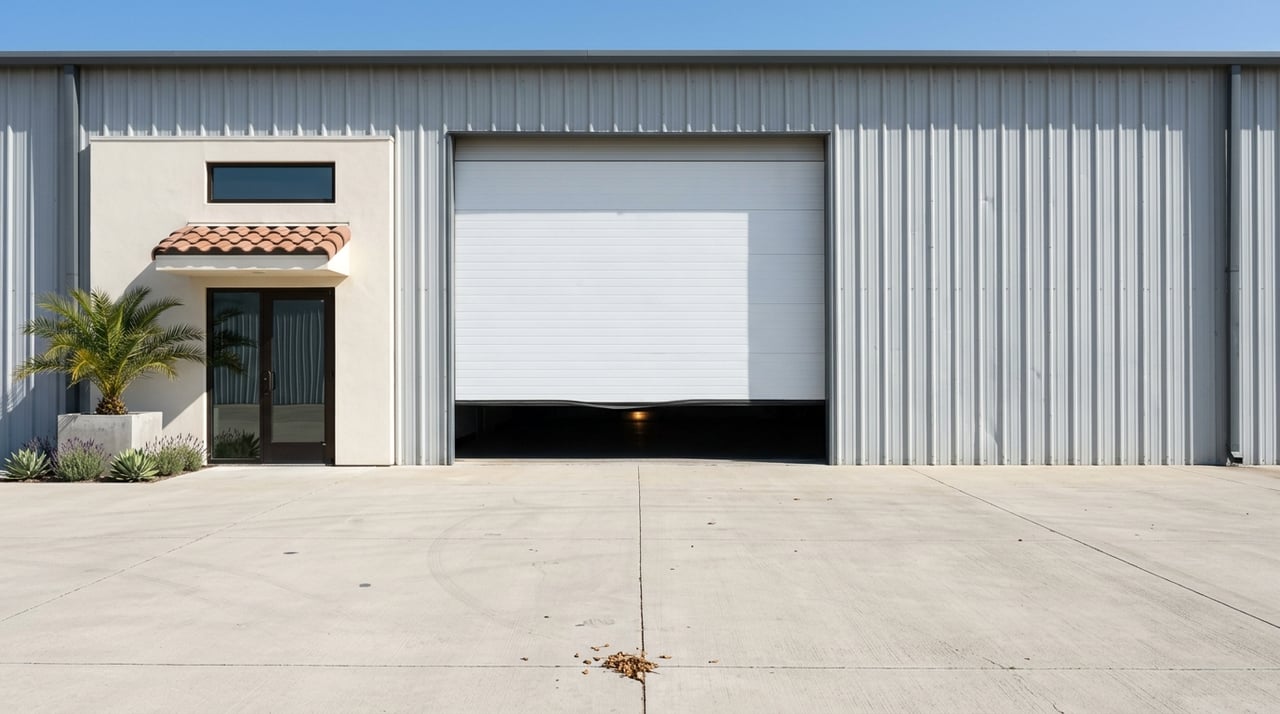
Timeline And Process To Sell A Private Hangar In Los Angeles
June 4, 2026
June 4, 2026
Selling a private hangar in Los Angeles is not like selling a typical commercial building. In many cases, you are not simply transferring a structure. You are navigating a leasehold interest on airport-controlled land, airport sponsor approvals, and a buyer pool that must fit aviation use requirements. If you want a smoother sale, it helps to understand the real timeline, the approval points, and the documents that drive the process. Let’s dive in.
In Los Angeles, many private hangars sit on airport land and operate under a ground lease, lease, or sublease rather than a standard fee-simple ownership structure. That means your sale often involves transferring rights and obligations tied to the airport sponsor's rules, not just marketing a building.
This matters because airport sponsors in the region vary. A hangar at Van Nuys may fall under Los Angeles World Airports, while a hangar at Long Beach follows City of Long Beach rules, and a hangar at Hollywood Burbank involves the Burbank-Glendale-Pasadena Airport Authority. Your process depends on the airport sponsor as much as on the asset itself.
FAA guidance also shapes the transaction. On federally obligated airports, hangars must remain tied to aeronautical use, with aircraft storage as the primary purpose, and airports must prioritize aviation demand over non-aeronautical use.
In many Los Angeles hangar transactions, you are selling a leasehold position and the right to occupy and use a hangar under airport rules. The buyer may need to assume lease obligations, satisfy insurance and access requirements, and secure airport approval before closing.
That changes how you should prepare the asset for market. A strong sale package needs to show not only the hangar's condition and income potential, but also the lease structure, permitted use, and approval path.
If the hangar supports an operating business, the process can become even more layered. A deal involving an FBO, maintenance shop, avionics operation, or charter-related business may require diligence on both the real estate and the business operations.
A practical planning estimate for a Los Angeles hangar sale is about 3 to 6 months, with some deals taking longer. Timing often depends on lease review, airport consent, buyer diligence, and whether any board, council, or additional approval process is required.
Below is a realistic phase-by-phase view of how the process often unfolds.
Start with the governing documents. You will want to review the current lease, ground lease, or sublease, along with all amendments, permitted uses, assignment rights, rent escalations, insurance obligations, and any prior airport approvals.
This step is critical because a buyer will want to know exactly what rights transfer at closing. If there have been improvements, modifications, or unresolved approval issues, those should be identified early rather than discovered during diligence.
On LAWA properties, tenant-related approvals can involve a Concept Request Form and further review steps. LAWA indicates that concept review responses are typically issued in about three weeks, with additional review layers possible after that.
Once the document review is underway, the next step is valuation and package preparation. Pricing a hangar usually involves leasehold economics, remaining term, condition, income profile, permitted use, and the level of approval friction a buyer is likely to face.
This is where a tailored, analytical approach matters. A hangar on airport land should not be priced like a generic warehouse or industrial shell because the buyer is stepping into a controlled-use aviation asset.
At this stage, it is smart to assemble a confidential offering package and organized data room. That package often includes lease documents, site plans, permits, maintenance records, insurance information, and any available as-builts or inspection records.
The buyer pool for private hangars in Los Angeles is specialized. Instead of broad public exposure alone, targeted outreach is often more effective because the most likely buyers already operate within aviation.
Potential buyers may include:
This targeted strategy fits the structure of the local market. Van Nuys, for example, has a large aviation ecosystem with more than 100 businesses and four major FBOs, while Long Beach has an active ground lease environment and has recently approved a major private-hangar development.
As interest develops, qualified buyers usually move into diligence before or alongside letter-of-intent negotiations. Their review often focuses on lease terms, operating restrictions, access rules, insurance requirements, maintenance history, and any permit or environmental issues.
If your hangar includes an operating business, diligence can widen quickly. Buyers may examine operating contracts, financial performance, personnel matters, and the relationship between the business and the leased premises.
This is often the point where weak documentation slows a deal. Missing permits, unclear improvement history, or incomplete records can create avoidable delays.
Airport approval is often the longest and most important phase. At Long Beach, assignments and subleases generally require prior written approval, and the incoming party must assume lease obligations.
On LAWA-controlled properties, airport processes may extend beyond simple consent and touch insurance review, badging, bonds, inspections, shutdown coordination, and final documentation requirements. Even if your transaction looks straightforward at first, the closing path may involve more steps than a standard commercial sale.
For that reason, the fastest closings usually happen when seller, buyer, and airport sponsor are aligned early. Waiting until late in the process to clarify assignment rights or approval requirements can push a closing back by weeks or months.
One of the best ways to protect your timeline is to assemble a complete document file before marketing begins. Buyers and airport sponsors tend to move more efficiently when the record is organized from the start.
Key items often include:
This is especially important if the hangar has been improved over time. On LAWA properties, the tenant process can involve supporting documents, insurance approval, badging, bonds, inspection notices, and as-builts before final closeout of project work.
Most hangar sale delays are not caused by lack of buyer demand alone. They are caused by approval gaps, incomplete records, or incorrect assumptions about what is being transferred.
Here are some of the most common trouble spots:
A hangar sale can look like a normal property transfer from the outside, but often the real legal issue is assignment of a lease or approval of a sublease. If that is not addressed upfront, a deal can stall late in the process.
Badging, insurance, inspections, and operational access rules can all affect timing. These details may feel administrative, but they can become real closing obstacles if handled too late.
If improvements were made without a clean paper trail, buyers may question whether the asset complies with airport procedures. That can slow diligence and create requests for additional review.
FAA guidance makes clear that aeronautical use has priority on federally obligated airports. Temporary non-aeronautical use may be possible only with approval and fair-market rent, so a sale strategy built around off-purpose use can create problems.
Los Angeles is not a broad, retail-style market for private hangars. It is a niche aviation market shaped by airport sponsors, lease structures, and a relatively concentrated set of qualified buyers.
That is why a strong sale strategy usually starts with three questions:
When those answers are clear before the property goes fully to market, the process tends to be more efficient. You reduce surprises, focus attention on realistic buyers, and improve the odds of getting through diligence and approvals without unnecessary delay.
If you are planning to sell a private hangar in Los Angeles, your timeline will usually be driven less by advertising and more by documentation, airport consent, and buyer fit. In most cases, a realistic planning window is 3 to 6 months, with more time needed if the deal requires additional governmental approvals, environmental review, or new construction-related signoff.
The best results usually come from treating the sale as a strategic disposition rather than a simple listing. When the lease, approvals, and buyer qualifications are addressed early, you give yourself a much better chance of reaching the closing table on schedule.
If you want a discreet, analytical approach to a complex aviation asset sale, Robert Rauchhaus can help you evaluate the lease structure, position the opportunity, and plan a targeted disposition strategy.
Stay up to date on the latest real estate trends.


Learn more about commercial sales, leasing, business sales, M&A, and asset management.
Get In Touch With Our Team To Learn More
PO BOX 30766 SANTA BARBARA CA 93130