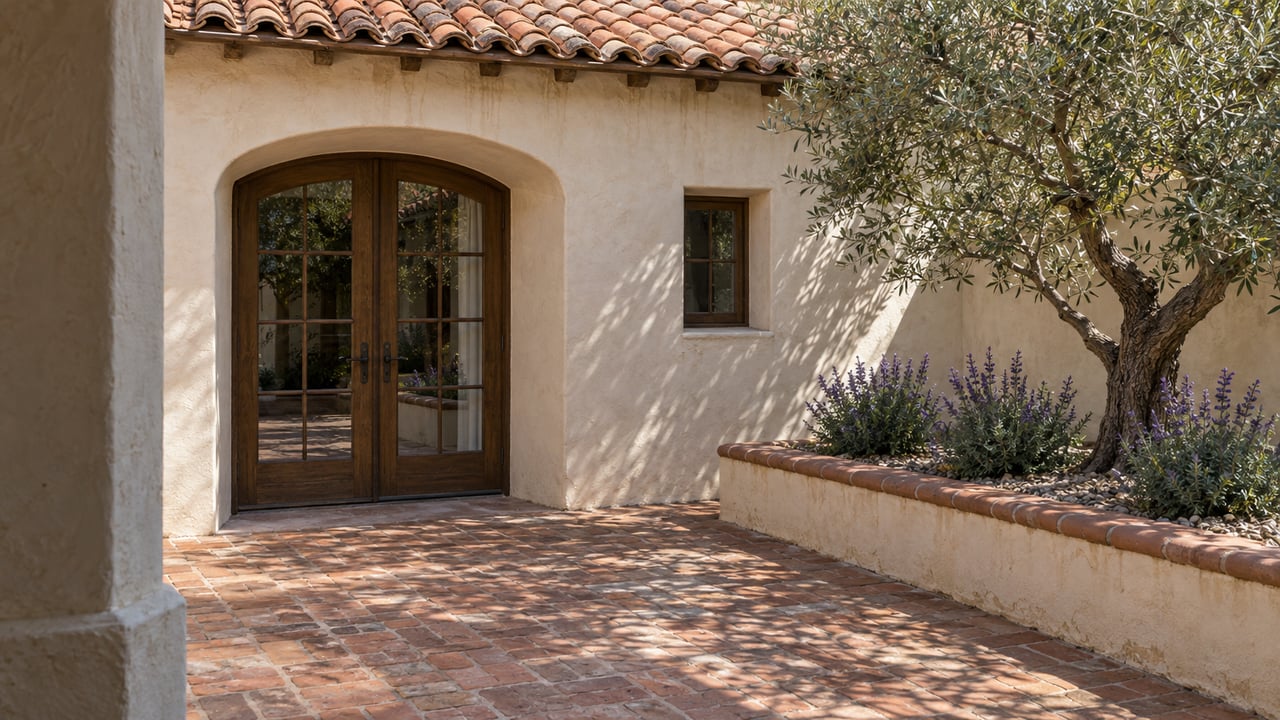
Santa Barbara Is Shrinking Its Vacation Rental Supply as Its Next Big Hotel Bets on Long Stays
October 29, 2026
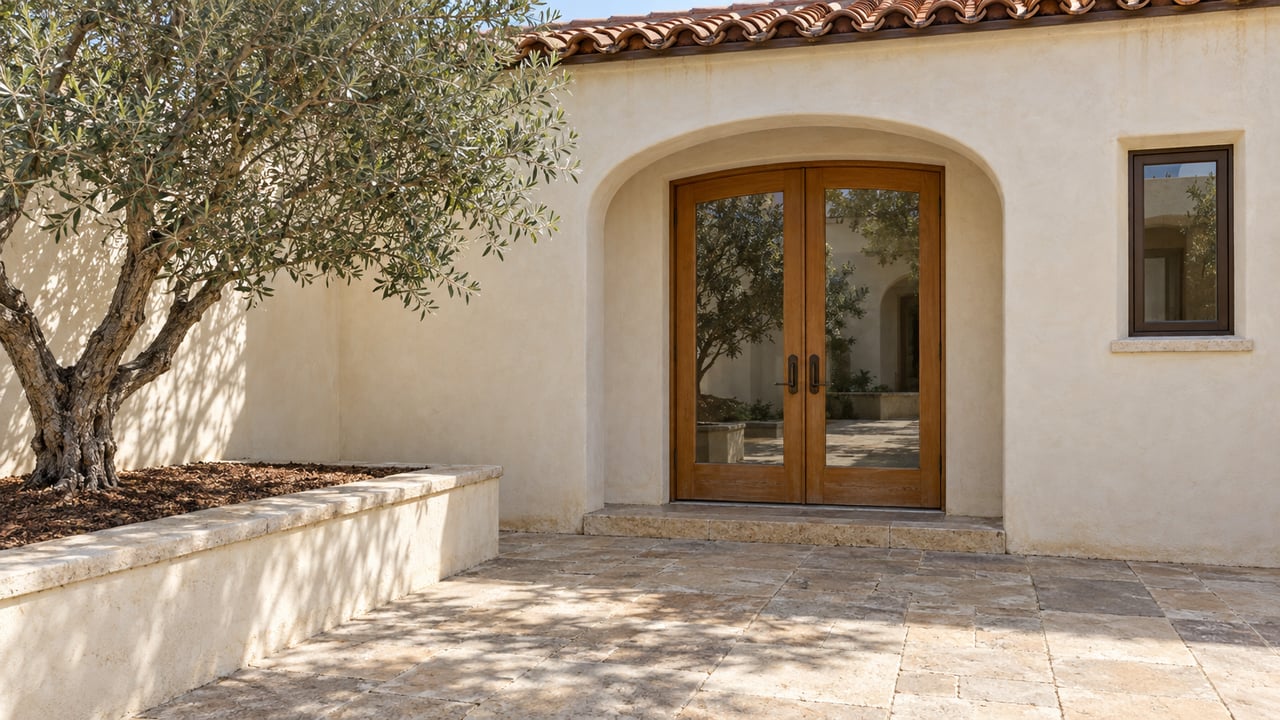
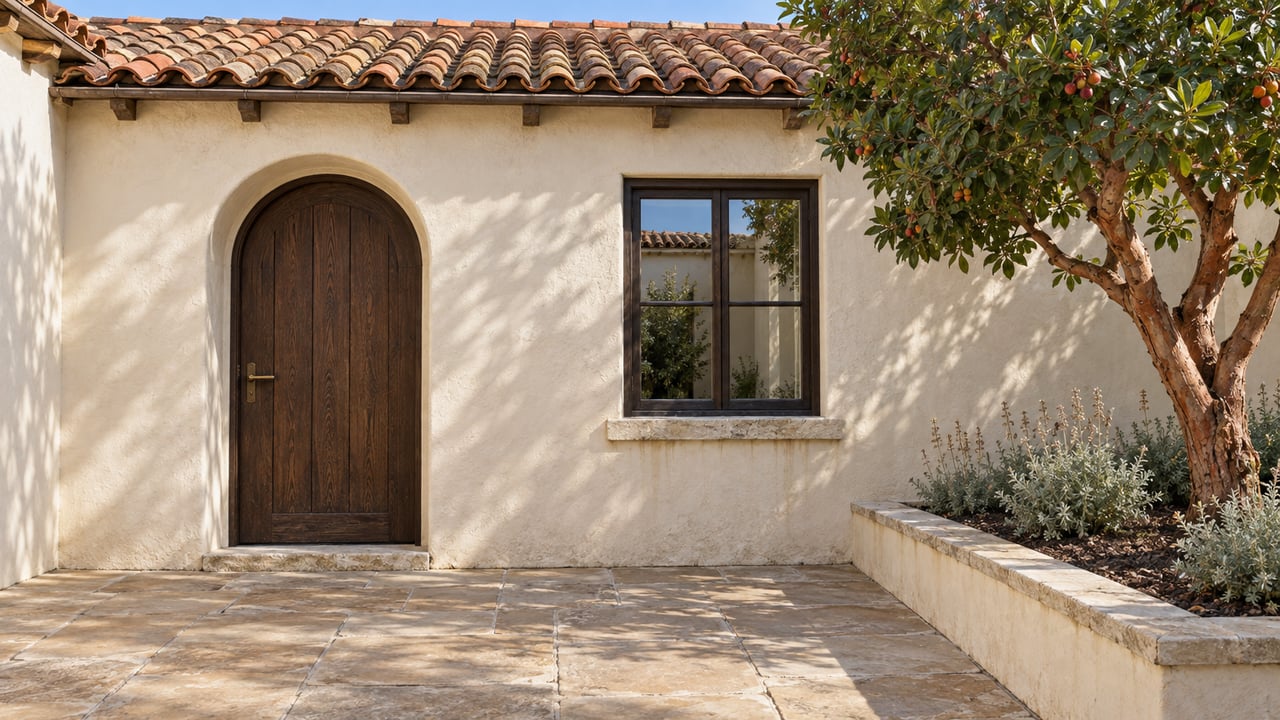
On October 21, Santa Barbara's Historic Landmarks Commission voted unanimously to give final approval, with conditions, to a 250-room hotel at 101 Garden Street, on the southwest corner of Garden and East Yanonali Streets. The last round of comments dealt with finishes. The main building's plaster went from beige to "653 Historic White." Doors will be eight feet tall, and the wrought iron awning brackets got decorative backplates. Fifteen days earlier, City Council introduced short-term rental ordinances. City staff expect them to shrink the pool of coastal vacation rentals that pay hotel tax by roughly three-quarters once they take effect.
The two votes bear on the same demand. The ordinance moves coastal visitor demand toward hotels, but on the California Coastal Commission's schedule, not the city's. And the hotel taking shape near the Funk Zone is designed in the format closest to the rentals being removed: suites with kitchens.
Edhat's October 23 report covered the hotel approval. The ordinance's details live in the city's own documents. At its October 6 meeting, Council kept the two-night minimum stay, limited each person or entity to one STR license, and capped multi-unit parcels at one STR. Council also asked staff to come back with options for allowing more than one STR on a property, with particular interest in West Beach. That request is still a study item, not an exception. The city's October 12 notice put final adoption on the October 27 Council agenda.
Two separate ordinances are moving on two separate clocks.
| Track | What it governs | Timing per city documents |
|---|---|---|
| Title 30, inland | STRs generally limited to nonresidential zones | Operative January 11, 2027 |
| Title 28, coastal | STRs limited to nonresidential and multifamily areas; homeshares allowed more widely | Requires a Local Coastal Program amendment and Coastal Commission certification, expected to run into 2027 |
The coastal track is where the hotel-tax base is.
Staff put a number on the coastal effect. They expect the count of STRs paying transient occupancy tax to drop "from about 265 to perhaps fewer than the 65 sites currently paying TOT and located in the proposed Coastal Zone license area." They estimate the resulting TOT loss at about $2.3 million to $3 million a year once the coastal ordinance is certified, and they call that estimate conservative.
The same estimate gives a rough sense of how much lodging revenue is in play. At the city's 12% TOT rate, a $2.3 million to $3 million net tax loss works out to about $19 million to $25 million a year in taxable lodging revenue. That figure is net of what staff expect new licensees and homeshares to pay. Staff say the actual outcome depends on case-by-case owner decisions, so the gross revenue of the rentals that close could be higher. Not all of that comes back as hotel room revenue. Some guests will move to the coastal STRs and homeshares that remain licensed. Some will stay in Goleta or Montecito. Some will choose another destination. But the order of magnitude is clear, and it is large compared with the STR segment as a whole.
City figures show STR tax revenue growing quickly before this ordinance. Staff report STR TOT of $2.0 million in fiscal year 2024, $2.6 million in FY2025 and $3.2 million in FY2026. They list enforcement collections separately: $0.8 million, $1.8 million and $1.3 million over the same three years. The city's FY2026 press release, which rounds STR collections to $4.5 million, appears to combine those two lines. Back taxes collected through enforcement do not recur. Measured against the FY2026 STR TOT figure, the low end of the staff loss estimate equals about 72% of a full year of recurring STR tax.
The 265 figure is also smaller than the number usually cited in public debate. The Santa Barbara Independent reported more than 2,300 active platform listings citywide, alongside the 265 operators paying TOT. Those two numbers measure different things, and the city's revenue estimate rests only on the smaller one.
Displaced demand counts for more when hotels have little room to spare, and current collections suggest they do. The city collected $38.2 million in total TOT in FY2026, which ended June 30, 2026. About $33.7 million of that came from hotels, and the total was 7.7% above budget. For comparison, Noozhawk reported FY2025 hotel TOT of $31.2 million.
The newer months are stronger. Under the city's TOT tables, combined collections were $4,907,699 in July 2026 and $4,406,225 in August 2026, compared with $4,088,110 and $4,226,895 in the same months of 2025. That is about $9.31 million against $8.32 million, a gain of roughly 12% for July and August 2026, with the rate unchanged at 12%. Of the FY2027 total through August, about $8.2 million came from hotels and $1.1 million from STRs. The rate held because the proposed increase from 12% to 14% never reached the November ballot. In March, Noozhawk reported that Council had decided not to advance it.
The growth is concentrated in peak season. At the February 24 Council meeting, city finance staff noted that occupancy often drops below 70% in the shoulder months of March, April, September and October, as Edhat reported. If coastal STR guests move to hotels, they add little in July, when hotels are already near capacity, and much more in April. That seasonality is where the Garden Street design comes in.
Of the 250 rooms at 101 Garden Street, 130 are extended-stay and 120 are select-service. The city's Notice of Final Action specifies kitchens in 119 of the extended-stay rooms. The 4.53-acre site combines six lots about a block from the beach. Plans include a 267-space parking garage, a pool or spa courtyard, a 7,500-square-foot roof deck and six affordable housing units. The Independent has described it as the city's planned second-largest hotel.
A coastal hotel room with a kitchen, a multi-night stay and space for a group is the closest hotel equivalent to the whole-unit vacation rental that the coastal ordinance prohibits in single- and two-unit zones. This project's room mix was designed to compete for displaced STR guests, and it sits near the West Beach and waterfront areas where much of that demand is concentrated.
Nearby comparables are few. Visit Santa Barbara lists the Residence Inn by Marriott Santa Barbara Goleta at 6350 Hollister Avenue, an all-suite property with 118 units that opened in December 2017. Garden Street would bring a comparable extended-stay inventory into the city's coastal core.
The approval timeline points to a project that survives challenges, but there is still no opening date to underwrite against.
The property owner is Wright Family H. Limited Partnership. The Independent identifies Newport Beach-based Dauntless Development as the firm the family hired to guide the project through city review. No brand, operator, construction start or opening date has been announced. Both the coastal STR rules and the hotel are now on timelines that depend on decisions outside the city's control. If certification comes first, existing coastal hotels get an interval to capture displaced guests before new supply opens. If construction moves faster, the two arrive at about the same time.
This post is general information about public rules and filings, not legal, tax or financial advice. Owners should confirm how any ordinance applies to their property with qualified counsel or a tax advisor.
Did Santa Barbara raise its hotel tax this year? No. The rate remains 12%, with 10% going to the General Fund and 2% to the Creeks/Clean Water Fund.
Robert Rauchhaus works with owner-operators and family offices to model scenarios. Schedule a confidential consultation to discuss strategy and valuation.
Stay up to date on the latest real estate trends.

Learn more about commercial sales, leasing, business sales, M&A, and asset management.
Get In Touch With Our Team To Learn More
PO BOX 30766 SANTA BARBARA CA 93130